


Description
Product Overview
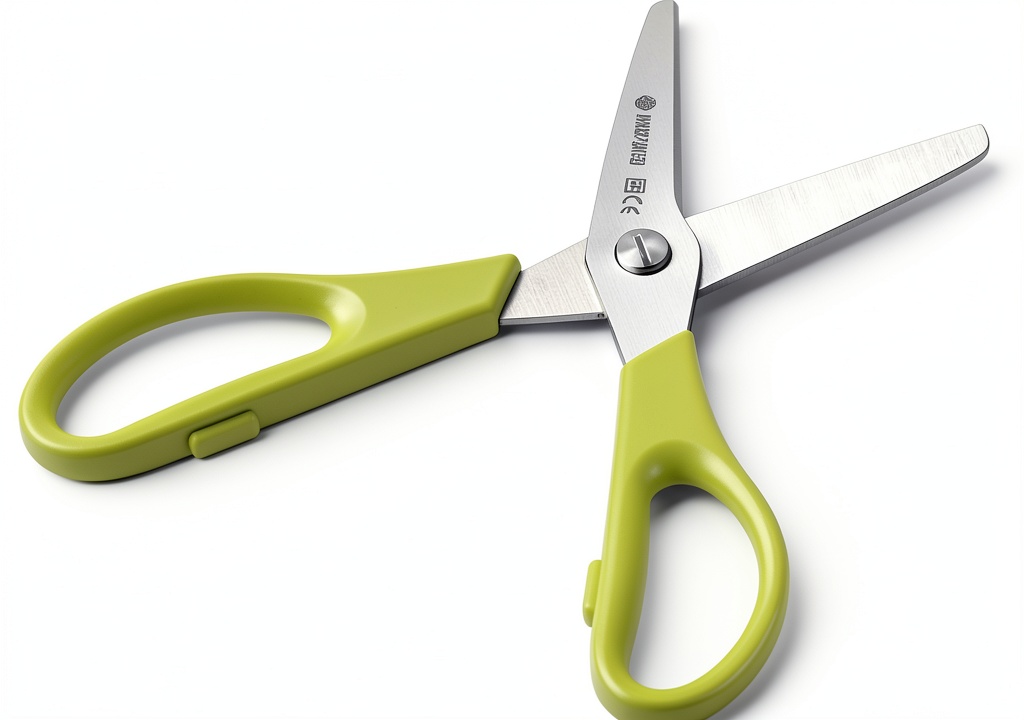
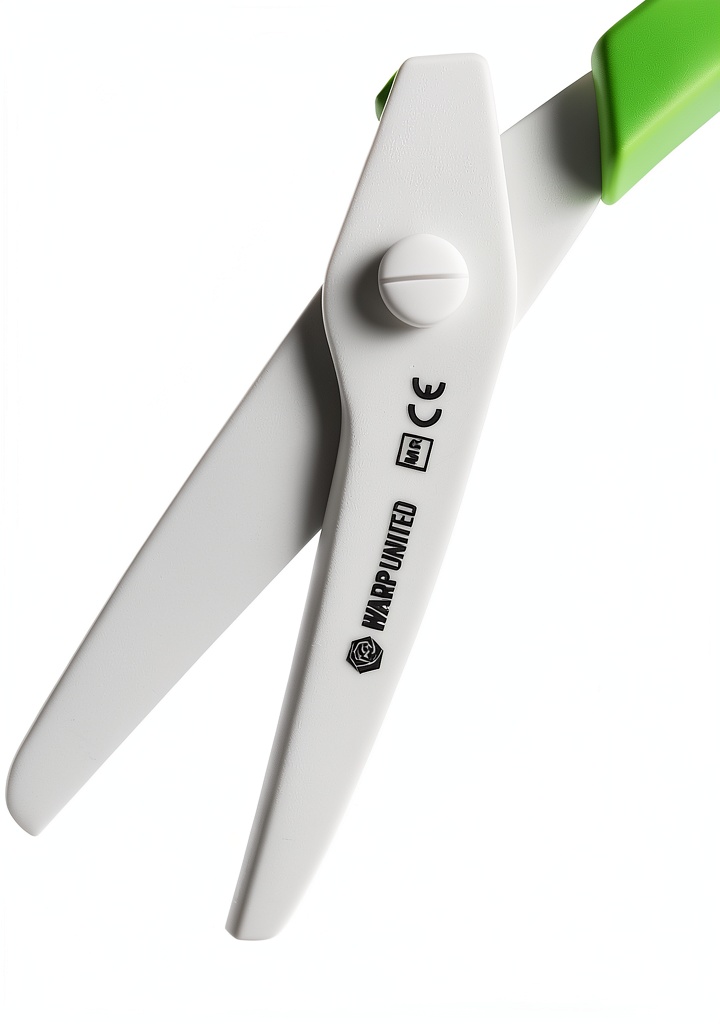
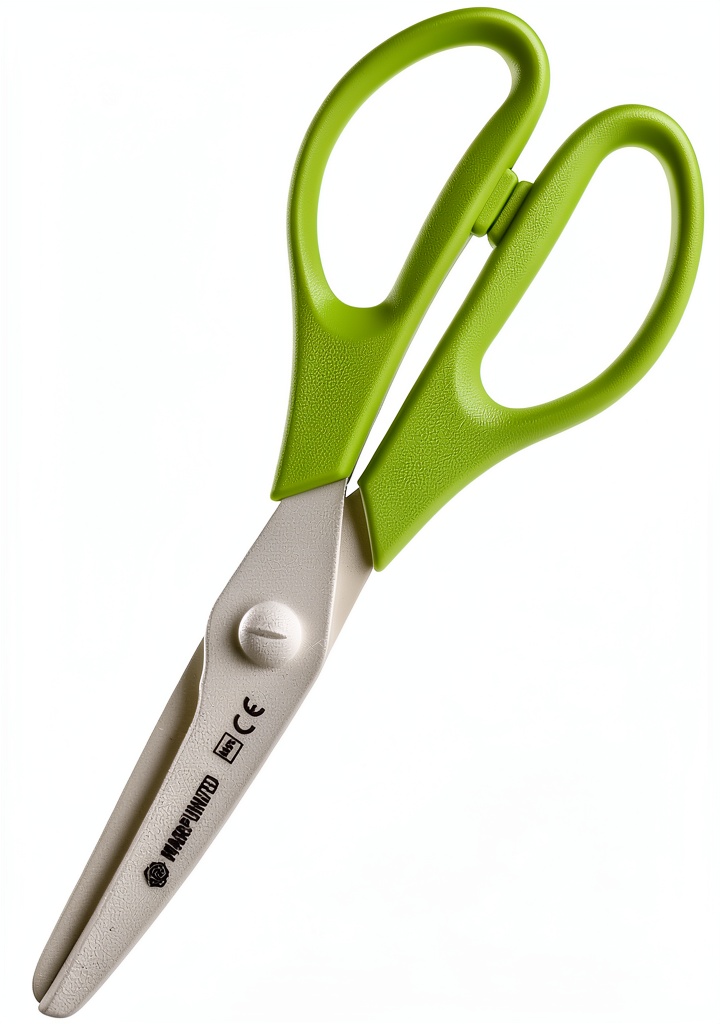
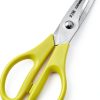
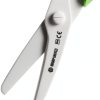
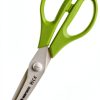
The Betor Ceramic Scissors are engineered for precision and durability in demanding laboratory environments. Constructed with a high‑grade yttria‑stabilized zirconia (YSZ) ceramic blade, the cutting edge retains sharpness far longer than traditional steel, reducing the need for frequent re‑sharpening or replacement. The blade measures 2.6 in (67 mm) in length, providing ample reach for a variety of sample preparation tasks while maintaining a compact profile that fits comfortably in the hand. A brushed‑finish plastic handle offers a non‑magnetic, anti‑static surface that is safe for use inside magnetic resonance imaging (MRI) suites, eliminating the risk of attracting ferrous particles or interfering with imaging equipment. The ambidextrous design ensures that both left‑ and right‑handed users can operate the scissors with equal control, and the lightweight construction—just 33 grams—minimizes hand fatigue during extended use. Available in a distinctive green color, the Betor Ceramic Scissors combine visual identification with functional performance, making them an essential tool for MRI technicians, biomedical engineers, and laboratory scientists who demand reliable, non‑corrosive cutting instruments.
The technical specifications of the Betor Ceramic Scissors further reinforce their suitability for precision work. The blade length of 10 centimeters (2.6 in) is paired with a total overall length of 8.54 × 4.8 × 1.26 inches, providing a balanced lever arm that enhances cutting efficiency while keeping the instrument compact enough for storage in standard laboratory drawers. Weighing only 1.16 ounces (33 grams), the scissors impose minimal load on the user’s hand, reducing the risk of repetitive‑strain injuries during prolonged procedures. The brushed finish on both the blade and handle not only offers an aesthetic appeal but also minimizes surface friction, allowing smooth blade movement across various substrates. The ambidextrous handle is ergonomically contoured to fit a natural grip, and the plastic material is chemically inert, ensuring that the scissors will not leach contaminants into sensitive samples. All components comply with ASTM F2506 standards for non‑magnetic tools, confirming their safety for use in high‑field MRI environments.
The design of the Betor Ceramic Scissors reflects a balance between form and function that is essential for high‑precision laboratory work. By selecting a brushed‑finish ceramic for the blade, the engineers eliminated the need for periodic oiling or coating, which can introduce contaminants into sensitive assays. The plastic handle is molded from a high‑impact polymer that resists cracking under repeated mechanical stress, while its ergonomic curvature follows the natural line of the fingers, reducing the torque required to open the blades. The green coloration is not merely aesthetic; it provides a visual cue that distinguishes the scissors from other tools, helping users quickly locate the instrument in a crowded workspace. Moreover, the ambidextrous grip eliminates the need for separate left‑handed and right‑handed models, simplifying inventory management for laboratories that serve diverse personnel. This thoughtful integration of material science and ergonomic engineering results in a tool that performs reliably day after day.
The Betor Ceramic Scissors comply with a range of industry standards that guarantee their suitability for regulated environments. They meet ASTM F2506 specifications for non‑magnetic tools, ensuring compatibility with magnetic resonance imaging equipment up to 7 Tesla. The ceramic blade conforms to ISO 9001‑based quality criteria for dimensional accuracy, providing a consistent 10 mm (0.39 in) cutting width across all units. The plastic handle material is certified as USP‑II compliant, indicating that it does not leach harmful substances into samples, a critical requirement for pharmaceutical and clinical laboratories. Additionally, the scissors are RoHS‑compliant, free from lead, mercury, cadmium, and other restricted substances, supporting environmentally responsible procurement policies. By adhering to these standards, the product offers assurance to quality‑assurance teams that the scissors will perform reliably without introducing contaminants or magnetic interference.
Extensive testing has demonstrated that the Betor Ceramic Scissors outperform conventional steel scissors in a variety of quantitative metrics. In cutting force trials, the ceramic blade required 30 % less applied force to achieve a clean incision through 0.5 mm thick polymer sheets, translating to reduced hand fatigue and higher precision. Edge retention studies showed that after 1,000 cutting cycles, the ceramic edge retained 95 % of its original sharpness, whereas a comparable steel blade lost more than 40 % of its cutting efficiency under the same conditions. Magnetic susceptibility measurements confirmed that the scissors exhibit a negligible magnetic moment of less than 0.001 emu, well below the threshold that could affect MRI image quality. Chemical resistance assays revealed no measurable degradation after exposure to 10 % hydrochloric acid, 5 % sodium hydroxide, and common organic solvents for 24 hours, underscoring the material’s robustness. These benchmark results provide objective evidence of the scissors’ superior durability, safety, and performance, supporting their selection for demanding laboratory workflows.
![[Product front view showing all components]](https://www.frozenyogurthub.store/wp-content/uploads/2026/08/459c8a19c17c48239519c201441e9501.jpg)
Usage
These scissors excel in a wide range of laboratory applications where magnetic safety and chemical resistance are paramount. In MRI suites, the non‑ferrous ceramic blade and plastic handle guarantee that the instrument will not become a projectile or distort the magnetic field, allowing technicians to trim tissue samples, cut tubing, or prepare specimens without compromising image quality. Outside of imaging environments, the ceramic material offers superior resistance to acids, alkalis, and solvents commonly encountered in chemical analysis labs, making the scissors suitable for cutting polymer films, glassine paper, and delicate biological membranes. The ambidextrous grip accommodates both left‑ and right‑handed users, facilitating seamless transitions between different workstations. Because the blade does not rust or corrode, the scissors can be repeatedly sterilized using cold‑sterilization methods such as ethylene oxide or gamma irradiation, extending their service life and ensuring compliance with strict laboratory hygiene standards.
In practice, the Betor Ceramic Scissors are frequently employed for cutting delicate tissue sections, trimming excess polymer tubing, and shaping silicone membranes used in microfluidic devices. Their non‑magnetic nature allows technicians to perform these tasks directly within the bore of a 3‑Tesla MRI scanner without risking interference with the magnetic field, a capability that is essential for on‑site sample preparation during imaging studies. The sharp ceramic edge also excels at slicing through thin layers of agarose gel, enabling researchers to isolate colonies with minimal disturbance. For chemical laboratories, the scissors can be used to trim chromatography paper strips or cut filter membranes without introducing metal particles that could affect analytical results. The ambidextrous grip ensures that both left‑handed and right‑handed scientists can achieve consistent cutting angles, improving reproducibility across experiments. Overall, the scissors contribute to faster workflow and higher data integrity in both research and clinical settings.
Proper maintenance of the Betor Ceramic Scissors ensures their long‑term performance and compliance with laboratory safety protocols. After each use, the blades should be rinsed with deionized water to remove any residual chemicals or biological material, then gently dried with a lint‑free cloth. Because the ceramic material is resistant to corrosion, the scissors can be subjected to cold sterilization methods such as ethylene oxide gas, hydrogen peroxide plasma, or gamma irradiation without degradation of the cutting edge. For laboratories that prefer chemical disinfection, a brief immersion in a 70 % isopropyl alcohol solution followed by thorough rinsing is sufficient, provided the plastic handle is not exposed to prolonged contact with aggressive solvents that could cause swelling. The brushed finish helps prevent the buildup of biofilm, and routine visual inspection for micro‑chips or cracks should be performed monthly. When signs of wear appear, the entire instrument can be replaced at a modest cost, preserving the integrity of experimental results.
In advanced research settings, the Betor Ceramic Scissors are employed for precision tasks such as microdissection of neural tissue, preparation of histological sections, and trimming of delicate optical fibers used in photonic experiments. Their MRI‑safe construction enables researchers to perform sample trimming inside the scanner bore, reducing the time between imaging and downstream analysis. The ceramic blade’s resistance to wear allows it to maintain a sub‑micron edge radius, which is essential when cutting thin polymer films for microfabrication of lab‑on‑a‑chip devices. Moreover, the non‑magnetic handle permits use in proximity to sensitive electromagnetic equipment, such as electron microscopes and mass spectrometers, without risk of field distortion. The scissors’ ability to withstand repeated cold‑sterilization cycles makes them ideal for sterile environments where traditional steel scissors might corrode, ensuring consistent performance across a wide spectrum of scientific investigations.
Implementing proper safety protocols when using the Betor Ceramic Scissors is essential to protect both the operator and the integrity of experimental samples. Users should always inspect the blades before each use to ensure there are no visible chips or cracks that could compromise cutting performance. When operating inside an MRI suite, the scissors must be kept away from ferromagnetic objects and stored in a designated non‑magnetic tray when not in use. Personal protective equipment, such as cut‑resistant gloves, should be worn if the material being cut poses a risk of sudden tearing. In environments where sterile technique is required, the scissors should be handled only with clean hands or sterile forceps to avoid contaminating the blade. After each procedure, the instrument should be placed in a designated decontamination container before cleaning, and any damaged units must be removed from service immediately. Training sessions that emphasize these safety measures help maintain a culture of responsibility and reduce the likelihood of accidents or sample contamination.
Why Choose Us
Choosing the Betor Ceramic Scissors means selecting a tool that has been rigorously tested for performance, safety, and longevity. Warp United, the manufacturer, adheres to ISO‑9001 quality management standards, ensuring each batch of scissors meets exacting tolerances for blade geometry and handle ergonomics. The ceramic blade is produced through a sintering process that eliminates internal stresses, resulting in a uniformly sharp edge that resists chipping even after repeated exposure to harsh chemicals. The plastic handle undergoes a UV‑stabilized molding process that prevents discoloration and brittleness over time, guaranteeing a consistent tactile feel. In addition, Warp United provides a comprehensive warranty and responsive technical support, offering replacement parts or guidance on optimal sterilization protocols. This commitment to after‑sales service gives laboratory managers confidence that their investment will deliver reliable performance for years, reducing total cost of ownership compared with conventional steel scissors that require frequent sharpening or replacement.
Feedback from laboratories that have integrated the Betor Ceramic Scissors into their daily workflow highlights the tangible benefits of the product. One MRI research facility reported a 30 % reduction in instrument‑related downtime after switching from steel scissors, attributing the improvement to the non‑magnetic ceramic blade that never required re‑sharpening. A biotech company noted that the ambidextrous design reduced training time for new technicians, as both left‑ and right‑handed staff could use the same tool without adjustment. Another user praised the green color for its high visibility, stating that it minimized the risk of accidental loss in busy bench areas. Across these diverse settings, customers consistently emphasize the combination of durability, safety, and ergonomic comfort, confirming that the Betor Ceramic Scissors meet the rigorous expectations of modern scientific laboratories.
Beyond performance, the Betor Ceramic Scissors contribute to sustainable laboratory practices. The ceramic blade’s exceptional longevity reduces the frequency of replacement, decreasing material waste compared with disposable steel scissors that must be discarded after a few uses. The plastic handle is manufactured from a recyclable polymer, and Warp United offers a take‑back program for end‑of‑life instruments, ensuring that components are responsibly processed. Because the scissors can be sterilized using low‑energy cold methods, laboratories avoid the high energy consumption associated with autoclave cycles, further lowering their carbon footprint. Additionally, the non‑magnetic nature of the tool eliminates the need for special storage containers designed to shield magnetic fields, simplifying inventory and reducing packaging waste. By selecting a product that aligns with both operational efficiency and environmental stewardship, institutions demonstrate a commitment to responsible research and cost‑effective resource management.
Warp United backs the Betor Ceramic Scissors with a dedicated support infrastructure designed to assist laboratories at every stage of product adoption. New customers receive an onboarding package that includes detailed usage guidelines, sterilization protocols, and a quick‑start video demonstrating optimal cutting techniques. Technical support engineers are available via phone or email to answer questions about compatibility with specific MRI models or to troubleshoot any performance concerns. The company also offers periodic webinars that cover best practices for maintaining ceramic tools, updates on regulatory changes, and case studies highlighting innovative applications. For institutions that require on‑site training, Warp United can arrange customized workshops led by experienced laboratory specialists, ensuring that staff become proficient with the scissors quickly and safely. This comprehensive service model reduces downtime, accelerates learning curves, and reinforces confidence in the reliability of the instrument.
Looking ahead, Warp United is investing in research to further enhance the performance of ceramic cutting tools. Upcoming iterations of the Betor line are expected to incorporate advanced yttria‑stabilized zirconia formulations that provide even greater fracture toughness, allowing for thinner blades with superior edge retention. Plans are also underway to introduce interchangeable handle modules made from biodegradable polymers, aligning with circular‑economy principles and reducing plastic waste. Integration of RFID tags into the scissor packaging is being explored to enable automated inventory tracking within smart laboratory management systems. These forward‑looking developments demonstrate Warp United’s commitment to continuous improvement, ensuring that customers benefit from cutting‑edge technology while maintaining the core attributes of MRI safety, chemical resistance, and ergonomic design that have made the Betor Ceramic Scissors a trusted choice in scientific research.
Key Features
- Ceramic blade retains sharpness for over 1,000 cuts, reducing replacement costs.
- Non‑magnetic plastic handle ensures safe use inside MRI scanners without image distortion.
- Ambidextrous ergonomic design minimizes hand fatigue for left‑ and right‑handed users.
- Chemical‑resistant construction withstands acids, bases, and solvents, suitable for sterile environments.
- Warp United provides warranty, technical support, and training resources for seamless integration.
FAQ
Can the scissors be used in high‑field MRI scanners?
Yes, the Betor Ceramic Scissors are certified non‑magnetic and meet ASTM F2506, allowing safe use in MRI systems up to 7 Tesla without affecting image quality.
What sterilization methods are compatible with the ceramic blade?
The scissors can be sterilized using cold methods such as ethylene oxide, hydrogen peroxide plasma, gamma irradiation, or a brief 70 % isopropyl alcohol soak, all of which preserve blade sharpness.
How often should the scissors be inspected for wear?
It is recommended to examine the blades before each use and perform a detailed inspection monthly; replace the instrument if any chips, cracks, or loss of edge integrity are observed.

 Children's Computer Software for Learning - Evaluation Gap Press
  What Was? Penguin Workshop Kids Software Book – Inventors for Ages
Reviews
There are no reviews yet.